Darknet Markets 2026:
The dark web is part of the deep web but is built on darknets: overlay networks that sit on the internet but which can't be accessed without special tools or software like Tor. Tor is an anonymizing software tool that stands for The Onion Router — you can use the Tor network via Tor Browser.
| Darknet Market | Established | Total Listings | Link |
|---|---|---|---|
| TorZon Market | 2022 | 140+ | Onion Link |
| Nexus Market | 2024 | 600+ | Onion Link |
| Abacus Market | 2022 | 100+ | Onion Link |
| Ares | 2026 | 100+ | Onion Link |
| Cocorico | 2023 | 110+ | Onion Link |
Updated 2026-10-27
How Nexus Market Connects Buyers and Sellers Directly
Nexus Market operates on a fundamental peer-to-peer (P2P) commerce model, directly connecting buyers with trusted vendors without intermediary stockholding. This structure eliminates centralized inventory risks and allows for a more dynamic, responsive economy. The platform functions as a secure facilitator, providing the necessary tools for autonomous transactions while the parties engage directly on product specifics and fulfillment.
The process is streamlined for efficiency:
- A vendor lists a product with clear terms.
- A buyer selects an item and funds the transaction through the integrated escrow system.
- Upon order confirmation, the vendor ships the product directly to the buyer.
- Funds are released from escrow to the vendor only after the buyer confirms satisfactory receipt.
This direct P2P framework empowers vendors to build their reputation through consistent performance and enables buyers to make informed choices based on verifiable feedback. The market's role is to maintain the integrity of this environment through technological solutions like encrypted messaging, multisignature escrow, and a transparent feedback ledger, ensuring all commerce occurs within a self-regulating and secure darknet marketplace.
How Escrow Makes Darnket Drug Deals Safe and Smooth
The escrow system is the operational foundation for secure transactions on this darknet platform. It functions as a neutral third-party mechanism that holds the buyer's cryptocurrency payment in a secure account from the moment an order is placed until its successful completion. This process directly mitigates the primary risk in peer-to-peer commerce: fraudulent non-delivery of goods. The funds are only released to the vendor after the buyer confirms receipt of the product, thereby aligning the vendor's financial incentive with satisfactory customer service.
This automated arrangement builds a self-enforcing framework for honesty. Vendors are motivated to ship products reliably and maintain quality standards, as their revenue is contingent upon final buyer confirmation. Conversely, buyers can transact with greater confidence, knowing their payment is protected until they are satisfied. The system's design effectively removes the need for interpersonal trust, replacing it with a cryptographically-secured procedural trust. The escrow service thus transforms individual transactions into predictable and secure exchanges, fostering a stable economic environment where reliable trade can flourish based on performance rather than promises.
How Reviews and Ratings Make Darknet Drug Buying Safer
The foundation of a functional peer-to-peer darknet marketplace is transparency, which Nexus Market achieves through its robust feedback and rating system. This system transforms subjective user experience into objective, actionable data, directly addressing the inherent uncertainties of anonymous commerce. Every completed transaction allows the buyer to leave a detailed review and a numerical rating, which are permanently attached to the vendor's profile. This creates a verifiable transaction history that new users can audit before making a purchase.
The cumulative effect of this data is a self-regulating economic environment. Vendors with consistently high ratings and positive reviews naturally gain more business, incentivizing all sellers to maintain high standards in product quality, shipping speed, and communication. Conversely, vendors who engage in fraudulent activity or provide substandard products are quickly identified through negative feedback, which serves as a direct warning to the community. The system's design prevents review manipulation by tying feedback to finalized escrow transactions, ensuring that ratings reflect genuine exchanges.
For the buyer, this means decision-making is based on collective intelligence rather than guesswork. A typical vendor profile displays clear metrics:
- Average rating score (e.g., 4.95 out of 5)
- Total number of transactions completed
- Percentage of positive feedback
- Detailed written reviews describing specific aspects of the product and service
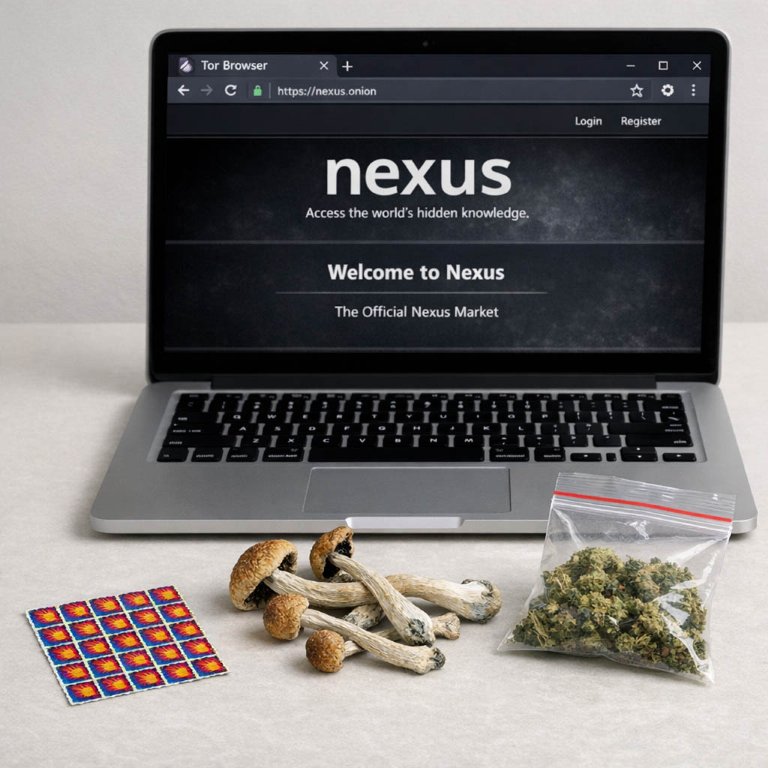
Easy Shopping on the Darknet
The platform's interface is engineered for intuitive navigation, directly supporting efficient commerce. Users encounter a categorized product listing system upon entry, which logically organizes available goods. This structure allows for rapid location of specific items using integrated search and filter functions. Filters can be applied by substance type, vendor reputation, price range, and shipping origin, enabling a tailored browsing experience.
Each product page presents comprehensive details in a standardized format. Essential data is immediately visible:
- Product name, purity, and quantity.
- Vendor's name with their trust score and transaction count.
- Pricing in cryptocurrency.
- Clear shipping policies and destinations.
The selection process is further streamlined by the verified listings system, which uses badges to indicate listings that have been validated against vendor claims. This reduces uncertainty during product comparison. The shopping cart and checkout mechanism mirrors those on conventional e-commerce platforms, creating a familiar transactional flow. The entire interface design minimizes operational friction, allowing users to focus on informed decision-making based on vendor history, product specifics, and community feedback, rather than navigating a complex system.
How a Secure Darknet Economy Works
The economic model of Nexus Market is defined by its resilience and diversity. Its foundation is a peer-to-peer commerce system that operates independently of traditional financial institutions, which provides inherent stability against external economic pressures. This model facilitates a direct value exchange between buyers and trusted vendors, minimizing systemic risk.
The market's stability is further reinforced by its escrow service, which holds funds securely until the buyer confirms receipt of the product. This mechanism ensures that capital circulates within the ecosystem only upon successful transaction completion, creating a self-regulating economic loop that discourages fraudulent activity and builds consistent financial trust.
Variety is a direct economic driver on the platform. The marketplace supports a wide range of product listings, which:
- Attracts a larger user base, increasing overall transaction volume and liquidity.
- Encourages vendor specialization and competition, leading to better product quality and fair pricing.
- Distributes economic risk across multiple product categories, preventing market collapse if demand shifts in one area.
This combination of a secure transaction framework and a diverse product economy creates a reliable shopping experience. The economic incentives are aligned for all participants: vendors gain a stable storefront, buyers access a consistent supply, and the platform's fee structure is sustained by successful, repeat commerce. The result is a robust, self-sustaining darknet marketplace economy that prioritizes transactional security and economic variety as its core principles.

How Verified Listings Make Buying on the Darknet Safer and Easier
The verification process for listings on Nexus Market is a systematic filter that directly increases transaction reliability. Vendors submit their products for review, providing necessary documentation and samples to market administrators. This procedure confirms the accuracy of the product description, including substance purity, weight, and origin. A verified listing is marked with a distinct badge, signaling to buyers that the item has passed this checkpoint.
This system reduces uncertainty for the buyer. It transforms product selection from a gamble into a more predictable process. When a listing is verified, the information presentedsuch as chemical composition or plant-based originis considered factual. This allows buyers to make purchasing decisions based on standardized data rather than solely on vendor promises. The economic result is a marketplace where product consistency becomes a tradable commodity, fostering repeat business and stable vendor reputations.
The technical implementation involves a multi-layered check:
- Sample analysis to match advertised and actual contents.
- Photographic verification of packaging and quantity.
- Cross-referencing the vendors claimed shipping methods with known logistics patterns.
How a Self-Regulating Darknet Builds Trust and Quality
The self-regulating commerce environment of Nexus Market represents a significant evolution in darknet marketplace design. This model leverages peer-to-peer mechanisms and transparent user-driven systems to create a stable and efficient trading ecosystem without external oversight. The platform's stability is directly tied to its economic model, which incentivizes honest conduct through a reputation-based feedback system. Vendors build long-term business viability by consistently delivering quality products and reliable service, as their ratings and verified status are publicly displayed and directly influence sales.
This environment fosters a form of organic quality control. The collective scrutiny of the buyer community, expressed through detailed reviews and rating scores, quickly identifies and marginalizes unreliable actors. This process ensures that high-standard vendors thrive, creating a marketplace where product quality and transactional reliability are paramount. The escrow service is integral to this, acting as a neutral arbiter that holds payment until the buyer confirms satisfactory receipt of goods. This mechanism removes the significant risk of fraud that plagues unregulated spaces, aligning the interests of both parties toward a successful, completed transaction.
The resulting ecosystem offers distinct advantages:
- A reduced need for external dispute resolution, as the system's design preemptively solves common transactional issues.
- Market-driven pricing and variety, where competition among trusted vendors leads to better value and product diversity for buyers.
- The cultivation of a professional vendor class that operates with a focus on customer service and product consistency, mirroring legitimate e-commerce practices.