Darknet Markets 2026:
The dark web is part of the deep web but is built on darknets: overlay networks that sit on the internet but which can't be accessed without special tools or software like Tor. Tor is an anonymizing software tool that stands for The Onion Router — you can use the Tor network via Tor Browser.
| Darknet Market | Established | Total Listings | Link |
|---|---|---|---|
| TorZon Market | 2022 | 140+ | Onion Link |
| Nexus Market | 2024 | 600+ | Onion Link |
| Abacus Market | 2022 | 100+ | Onion Link |
| Ares | 2026 | 100+ | Onion Link |
| Cocorico | 2023 | 110+ | Onion Link |
Updated 2026-10-27
How to Shop Safely on the Darknet
Darknet markets provide a secure environment for private transactions by integrating several core technologies. The foundation is cryptocurrency, primarily Bitcoin or Monero, which allows for pseudonymous financial transfers without involving traditional banks. This payment method is paired with strong encryption, where all communications and transaction details are secured, effectively separating a user's real-world identity from their market activity.
The system's reliability is further enhanced by its vendor rating and feedback mechanisms. Sellers build their reputation over time through consistent performance. Buyers leave detailed reviews on product quality, shipping speed, and stealth, creating a transparent and self-regulating ecosystem. This collective intelligence allows new users to make informed decisions and fosters trust between anonymous parties.
These components work together to facilitate direct, global exchanges. A typical process involves:
- Accessing the market via the Tor browser for anonymity.
- Selecting a product from a vendor with a proven track record.
- Using encrypted messaging to finalize order details.
- Sending cryptocurrency to a secured, multi-signature escrow system held by the market until the buyer confirms receipt.
- The vendor then ships the product using discreet packaging methods.
How Crypto Makes Darknet Shopping Private and Safe
Cryptocurrency is the financial backbone of darknet markets, enabling a level of privacy and security not found in traditional commerce. Transactions use currencies like Bitcoin or Monero, which operate on decentralized networks. This means payments are processed directly between buyer and vendor without a bank or payment processor acting as an intermediary and recording personal details.
The system relies on cryptographic wallets and addresses. A user's wallet address functions like an anonymous account number. While transaction flows on some blockchains are public, the identity of the wallet owner remains pseudonymous. For enhanced privacy, markets use a multisignature escrow system. The buyer's funds are held in a secure, third-party escrow wallet controlled by the market until the order is completed satisfactorily. This protects both parties: the seller is assured of payment, and the buyer does not release funds until the goods are received.
This financial model supports a global and efficient marketplace. Sellers can receive payments from anywhere in the world without currency conversion issues or the risk of chargebacks. The integration of honest vendor reviews and rating systems is directly tied to this payment security. Buyers can confidently transact, knowing their funds are secure in escrow until they can verify the product's quality and the vendor's reliability through the feedback left by previous customers. This creates a self-regulating economic environment where trust is built transparently through completed transactions and verified reviews, not through third-party claims.
How Encryption Keeps Your Darknet Purchases Private
The operational security of darknet markets is fundamentally dependent on encryption. This technology functions as an unbreakable seal for all communications and data, ensuring that a user's identity and transaction details remain confidential. When a buyer accesses a marketplace, the connection is secured with protocols like Tor and SSL, which encrypt all traffic and mask the user's IP address, making their physical location and identity untraceable.
All messages between buyers and vendors are protected with end-to-end encryption (E2EE). This means only the intended recipient can decrypt and read the message, preventing market administrators or any intercepting party from accessing the content. For financial privacy, transactions are conducted using cryptocurrencies like Bitcoin or Monero. These payments are recorded on a public ledger, but the identities of the wallet owners are pseudonymous. To enhance privacy further, users employ tumbling services or built-in market mixers, which obfuscate the trail of coins, effectively severing the link between the buyer's initial funds and the final payment to the vendor.
The combination of these encryption layers creates a secure environment for commerce:
- Traffic encryption anonymizes network activity.
- End-to-end message encryption protects deal specifics.
- Cryptographic payment systems ensure financial privacy.

Global Sellers Offer Everything You Need
The global reach of darknet markets fundamentally transforms consumer access, creating a borderless digital marketplace. Sellers from various jurisdictions list their products, allowing buyers to source items that may be unavailable, overly regulated, or prohibitively expensive in their local regions. This network facilitates direct trade between individuals across continents, operating outside traditional geographic and regulatory constraints.
The product range is extensive, with pharmaceuticals, digital goods, and psychoactive substances representing significant categories. For researchers and individuals, this provides access to compounds for personal study or use that are not legally sanctioned elsewhere. The model is efficient, removing physical storefronts and enabling sellers to operate with lower overhead, which can translate into competitive pricing and a greater variety of niche or specialized products.
This ecosystem is sustained by its integrated financial and feedback mechanisms. Cryptocurrency payments are mandatory, providing a layer of financial privacy and enabling seamless international transactions without banking intermediaries. Security is further reinforced by end-to-end encryption for all communications, protecting the identities and transaction details of both parties.
Trust is systematically built through transparent vendor rating systems. These systems aggregate transactional feedback into quantifiable metrics, creating a self-regulating environment. Buyers consistently report that a vendor's historical performance data is the primary factor in purchasing decisions.
- Detailed reviews describe product purity, shipping speed, and stealth packaging.
- High vendor scores correlate with reliable service and product consistency.
- Dispute resolution modules, often managed by market escrow services, provide a structured way to resolve conflicts without external arbitration.
Consequently, the combination of global supplier access, cryptographic security, and crowd-sourced reputation analytics creates a robust framework for private commerce. The market's architecture incentivizes honest conduct through transparency among participants, fostering a stable environment for secure global exchange.
How Rating Systems Build Trust on Darknet Markets
Darknet markets operate on a principle of decentralized trust, where traditional intermediaries are replaced by transparent, community-driven feedback mechanisms. The vendor rating system is the cornerstone of this environment, functioning as a self-regulating quality and security protocol. Each completed transaction allows the buyer to leave detailed feedback, typically comprising a numerical score and written review, which is permanently and publicly displayed on the vendor's profile.
This creates a reputational economy where a seller's commercial viability depends directly on consistent performance. High ratings, accumulated over hundreds of transactions, signal reliability in product quality, accurate stealth shipping methods, and professional communication. Buyers can thus make informed decisions by analyzing:
- A vendor's overall rating percentage, often exceeding 95 for established sellers.
- The volume of completed transactions, which validates statistical significance.
- Specific comments in reviews regarding shipping times, packaging, and product potency.
The system incentivizes honest business practices, as a single significant dispute or series of negative reviews can severely damage a vendor's standing and future sales. This peer-enforced accountability transforms the marketplace, allowing for secure procurement where participants rely on collective verification rather than centralized authority. The result is a more predictable and safer trading environment for all parties involved.
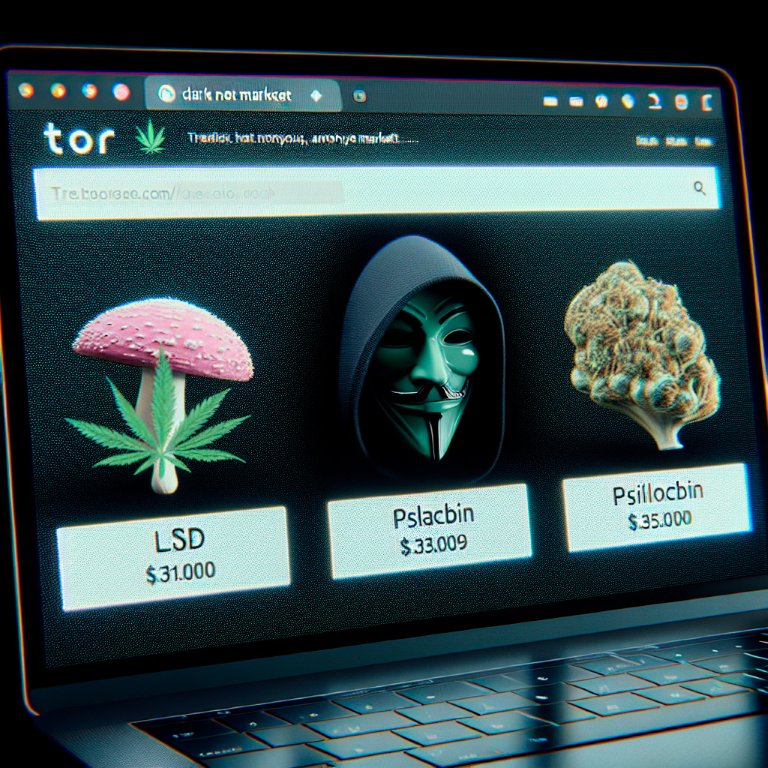
How Reviews Build Trust on the Darknet
The feedback and review systems on darknet markets function as a critical self-regulating mechanism, directly replacing the trust typically provided by legal frameworks in conventional commerce. These systems transform anonymous transactions into a reliable marketplace by creating transparent and accountable interactions between buyers and vendors.
A vendor's reputation is built cumulatively through detailed buyer reports. Each review typically includes ratings for:
- Product quality and accuracy of the description
- Stealth and professionalism of packaging
- Speed and reliability of shipping
- Quality of communication with the seller
This collective data allows new buyers to make informed decisions, statistically favoring vendors with long histories of positive feedback. Markets often display this information prominently through vendor-level badges or scores, creating a clear hierarchy of trust. The system incentivizes honest trade, as vendors with poor reviews or scam allegations quickly lose their customer base and market standing. For the buyer, the process of leaving a review is straightforward and protected, ensuring that feedback is both candid and valuable for future transactions. This continuous loop of evaluation and performance fosters a stable trading environment where private shopping with cryptocurrency is underpinned by community-verified reliability.
How Darknet Markets Enable Direct Global Trade
The architecture of darknet markets facilitates direct peer-to-peer commerce on a global scale, removing traditional financial and logistical intermediaries. This system relies on a triad of core components: cryptocurrency, encryption, and community-driven reputation. Transactions are settled with cryptocurrencies like Bitcoin or Monero, which provide a layer of financial privacy by operating outside conventional banking channels. The entire process is secured with strong encryption, protecting communication and transaction details from external observation.
This framework enables efficient international trade. A buyer in one country can securely purchase goods from a trusted vendor in another, with the market's escrow system holding funds until the buyer confirms receipt. This mechanism replaces the need for a central authority. The reliability of these exchanges is underpinned by transparent feedback systems. Markets function on collective intelligence where:
- Vendors build a digital reputation through consistent positive feedback.
- Buyers leave detailed reviews on product quality, stealth packaging, and delivery times.
- High vendor ratings and volume of sales become a verifiable track record of trust.
The result is a self-regulating environment where secure, direct global exchange is not only possible but is the standard operational model. The market's infrastructure ensures that both parties can engage in trade with a high degree of confidence in the process and the counterparty's established history.