Darknet Markets 2026:
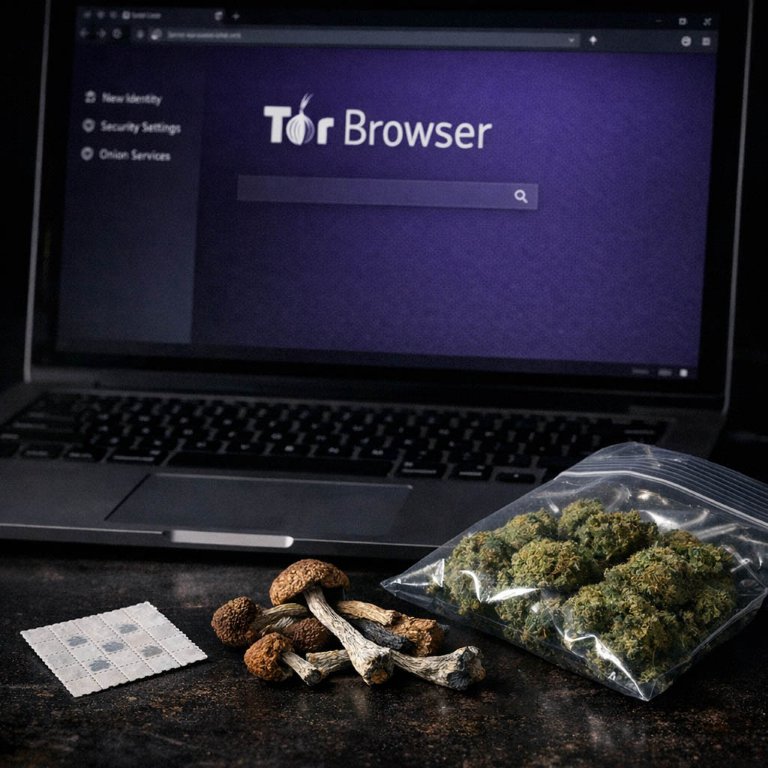
The dark web is part of the deep web but is built on darknets: overlay networks that sit on the internet but which can't be accessed without special tools or software like Tor. Tor is an anonymizing software tool that stands for The Onion Router — you can use the Tor network via Tor Browser.
| Darknet Market | Established | Total Listings | Link |
|---|---|---|---|
| TorZon Market | 2022 | 140+ | Onion Link |
| Nexus Market | 2024 | 600+ | Onion Link |
| Abacus Market | 2022 | 100+ | Onion Link |
| Ares | 2026 | 100+ | Onion Link |
| Cocorico | 2023 | 110+ | Onion Link |
Updated 2026-10-27
How the Darknet Keeps Drug Shopping Safe and Private
The foundational principle of darknet commerce is the creation of a secure and anonymous environment for transactions. This is achieved through a combination of specialized software and cryptographic protocols. Users access these marketplaces via networks like Tor or I2P, which obfuscate their IP address and routing data. This network-level anonymity is then fortified by the marketplaces themselves, which mandate the use of end-to-end encryption for all communications between buyers and vendors.
This layered approach ensures that user identity and transactional data are protected at multiple stages. The marketplace cannot read the contents of private messages, which often include shipping details. Furthermore, financial anonymity is maintained through the exclusive use of cryptocurrencies like Bitcoin or Monero. Transactions are recorded on a public ledger, but the identities of the wallet owners are not inherently tied to real-world persons, creating a significant barrier for transactional tracing.
The system is designed to foster trust in an otherwise trustless environment. The combination of these technologies means that a participant's physical location, identity, and specific purchase details are concealed from other users, marketplace administrators, and external observers. This secure framework is not merely a feature but the essential precondition that enables all subsequent commerce, allowing for the free exchange of goods with a greatly reduced risk of personal exposure.
How Encryption Keeps Darknet Drug Trade Safe and Private
Encryption is the fundamental mechanism that enables anonymous commerce on the darknet. It functions as a complex, mathematical lock for all communications and data. When a user accesses a marketplace, their connection is routed through the Tor network, which encrypts the traffic multiple times and bounces it through volunteer relays, obscuring the original source. This process separates the user's real IP address from their activity on the site.
Beyond connection anonymization, encryption secures the content of communications. Buyers and vendors use PGP (Pretty Good Privacy) encryption for all sensitive messages. A user generates a unique pair of cryptographic keys: a public key, which is shared openly like a listed address, and a private key, which is kept secret. When someone sends a message, they encrypt it with the recipient's public key, and it can only be decrypted and read by the corresponding private key. This ensures that:
- Shipping addresses are only readable by the intended vendor.
- Order details remain confidential even if marketplace servers are compromised.
- Digital product deliveries, such as e-books or software, are securely transmitted.
The marketplace itself also employs strong encryption for its internal databases, protecting user accounts and transaction histories. This layered approach to encryption, combining network anonymization with end-to-end message security, creates a robust environment where user identity and data are protected by design, fostering the trust necessary for commerce.
How Cryptocurrency Powers Private Drug Sales on the Darknet
Cryptocurrency is the financial backbone of darknet commerce, enabling private transactions that traditional banking cannot facilitate. Its decentralized nature means no central authority can freeze accounts or reverse payments, which aligns perfectly with the need for discretion. Transactions are recorded on a public ledger, the blockchain, but the identities of the parties involved are concealed behind cryptographic addresses. This provides a layer of pseudonymity that cash cannot offer in digital spaces.
The process is direct. A buyer sends cryptocurrency, typically Bitcoin or Monero, to a marketplace-controlled escrow address. Monero offers enhanced privacy through stealth addresses and ring signatures, making transaction details opaque. This financial privacy protects both consumers and vendors from external scrutiny, allowing for a free market in substances that many adults choose to consume. The system relies on this economic layer to function autonomously.
This monetary framework supports the entire ecosystem's trust model. Because funds are held in escrow until the buyer confirms receipt, the currency itself acts as a neutral arbiter. The irreversible nature of most crypto transactions reduces fraud, encouraging honest trade. It creates a self-regulating environment where financial incentives align with reliable service and product quality, as vendors build reputations to secure future sales paid for in these private digital currencies.

A Wide Range of Products on the Darknet
The product catalog on a darknet marketplace is extensive and specialized, reflecting a demand for goods that are restricted or heavily regulated on the clear web. The most prominent category by volume and economic activity is pharmaceuticals and psychoactive substances. These range from common prescription medications to a wide array of synthetic cannabinoids, stimulants, hallucinogens, and opioids. The availability is notable for its breadth, offering researchers and consumers access to compounds that are often difficult to source through conventional channels, with detailed listings specifying purity, chemical composition, and suggested dosage for informed acquisition.
Beyond this category, the markets serve as a hub for digital goods and services. This includes fraud-related items such as credit card details, personal identification data, and malware kits. Furthermore, a selection of physical goods is available, including counterfeit currency, forged documents, and electronics. The ecosystem also provides access to expert services in areas like computer security penetration testing and secure communication setup. This diversity demonstrates the darknet's function as a platform for anonymous commerce across multiple discreet sectors, with each product listing typically accompanied by vendor history and customer feedback to facilitate assessment.
How Vendor Ratings Build Trust on the Darknet
The vendor rating system is a fundamental component of darknet market architecture, directly addressing the inherent challenge of establishing trust in an anonymous environment. These systems transform subjective user experiences into quantifiable, publicly accessible data, enabling a form of decentralized quality assurance. A typical system aggregates several key metrics into a vendor's profile.
The most direct metric is the overall positive feedback percentage, often displayed prominently. This percentage is derived from user reviews submitted upon successful completion of a transaction. Buyers are encouraged to leave detailed feedback covering specific aspects of the transaction.
- The quality of the product relative to its advertised description.
- The stealth and professionalism of the packaging and shipping.
- The communication speed and clarity of the vendor.
- The shipping time versus the time stated on the product listing.
This granular feedback allows prospective buyers to assess a vendor's strengths and potential weaknesses beyond a simple score. A vendor with a 98 positive rating over several thousand transactions demonstrates a consistent and reliable operation. The system often includes a detailed transaction history, showing the number of completed sales, which reinforces the statistical significance of the feedback score. Newer vendors may have high scores but a low transaction count, indicating a different risk profile compared to established, high-volume sellers.
The cumulative effect of this transparent feedback loop creates a powerful economic incentive for vendors to maintain high standards. A strong reputation, built over hundreds of successful sales, becomes a vendor's most valuable asset, directly linked to their future sales volume and ability to command premium prices. Consequently, buyers can make informed choices by comparing vendors based on empirical, community-generated data rather than anonymous claims, significantly reducing the risk of fraud and ensuring a higher probability of receiving the expected product quality.
How Escrow Makes Buying on the Darknet Safe
Escrow services are a fundamental component of secure transactions on a darknet marketplace. They function as a neutral third party that holds the buyer's cryptocurrency payment after an order is placed. The funds are only released to the vendor once the buyer confirms satisfactory receipt of the product. This mechanism directly addresses the inherent trust deficit in anonymous environments.
The operational model is straightforward. A buyer submits payment to the marketplace's escrow system, which locks the funds. The vendor is then notified to ship the product. Upon delivery, the buyer has a set period to finalize the order, which triggers the escrow to release the payment. If a dispute arises regarding product quality or non-delivery, the buyer can open a support ticket. Marketplace moderators will review communication and evidence from both parties before adjudicating the release or refund of the escrowed funds.
This system creates a powerful economic incentive for vendor honesty and reliability. A vendor only receives payment after fulfilling their part of the agreement, which discourages scams and promotes consistent product quality. For buyers, it significantly reduces financial risk, allowing them to engage with new vendors with greater confidence. The widespread adoption of escrow has been instrumental in professionalizing darknet commerce, fostering markets where trusted vendors can build reputations based on successful, escrow-protected transactions. It transforms a potentially risky anonymous exchange into a secure and reliable transaction with clear accountability.
How Darknet Markets Maintain High Product Quality
The combined architecture of a darknet marketplace creates a self-regulating environment where product quality is incentivized and verified. The foundation is the vendor rating system, which provides a transparent record of past transactions. Buyers leave detailed feedback on product purity, weight, and shipping, creating a public reputation score. A vendor with consistently high ratings has a strong economic incentive to maintain quality, as their visibility and sales depend on it.
This feedback loop is secured by the encrypted escrow service. Funds are held by the marketplace until the buyer confirms satisfactory receipt of the goods. This mechanism prevents vendors from sending inferior products or nothing at all, as they are not paid until the buyer is satisfied. The escrow system aligns the vendor's financial interest with the buyer's expectation of quality.
The anonymous nature of the platform, while protecting identity, does not protect against poor business practices. A vendor's operational identity is their reputation. The variety of available products fosters competition, allowing buyers to choose vendors based on proven track records rather than just price. Therefore, the integration of cryptographic anonymity, enforced financial security via escrow, and crowd-sourced reputation metrics establishes a framework where high-quality listings are systematically promoted and low-quality ones are economically marginalized.

How Darknet Shopping Works: Safe and Easy Drug Buying
The user experience on a typical darknet marketplace is engineered for operational security and transactional efficiency. Access requires the Tor Browser, which anonymizes the user's connection. Upon entry, the interface resembles a conventional e-commerce platform, with product categories, search functions, and vendor storefronts.
Product listings are detailed, including photographs, purity specifications, and country of origin. The vendor rating system is central to decision-making, displaying metrics for reliability, communication, and product quality based on historical buyer feedback. This system creates a self-regulating environment where reputable vendors thrive.
The transaction process integrates several protective features:
- Buyers fund a marketplace escrow service using cryptocurrency like Bitcoin or Monero.
- The vendor ships the product only after escrow is secured.
- The funds are released to the vendor only after the buyer confirms satisfactory receipt, mitigating fraud.
Encrypted messaging within the platform allows for secure logistics coordination without compromising anonymity. The entire cyclefrom browsing to finalizing feedbackoccurs within this encrypted ecosystem, facilitating anonymous commerce where trust is built through transparent, crowd-sourced reputation rather than personal identity.