Darknet Markets 2026:
The dark web is part of the deep web but is built on darknets: overlay networks that sit on the internet but which can't be accessed without special tools or software like Tor. Tor is an anonymizing software tool that stands for The Onion Router — you can use the Tor network via Tor Browser.
| Darknet Market | Established | Total Listings | Link |
|---|---|---|---|
| TorZon Market | 2022 | 140+ | Onion Link |
| Nexus Market | 2024 | 600+ | Onion Link |
| Abacus Market | 2022 | 100+ | Onion Link |
| Ares | 2026 | 100+ | Onion Link |
| Cocorico | 2023 | 110+ | Onion Link |
Updated 2026-10-27
How Encryption and Crypto Keep Darknet Trades Private and Safe
The operational security of darknet markets is built upon a dual-layer foundation of encryption and cryptocurrency. These technologies work in tandem to create a secure environment for transactions that prioritizes user privacy and autonomy.
Encryption protects all communications and data. When a user accesses a market, their connection is routed through The Onion Router (Tor) network, which encrypts traffic multiple times to conceal its origin and destination. This prevents outside observers from monitoring a user's activity. Furthermore, all messages between buyers and vendors are secured with end-to-end encryption. This system ensures that only the intended recipient can read a message's contents, making intercepted communications useless to any third party. User identities, shipping details, and transaction specifics remain confidential within this encrypted framework.
Cryptocurrency, primarily Bitcoin and Monero, facilitates the financial layer of this private commerce. These digital currencies enable pseudonymous payments without involving traditional banks or financial institutions that require personal identification. To enhance security, markets employ a multisignature escrow system. In this setup, funds for a purchase are held in a secure wallet that requires two or more cryptographic keys to release. This means the vendor cannot access the payment until the buyer confirms satisfactory receipt of the product, which directly incentivizes vendor accountability and reduces fraud.
- Tor and end-to-end encryption anonymize communication and protect data.
- Cryptocurrencies like Bitcoin provide a payment method detached from real-world identity.
- Multisignature escrow systems secure funds and align vendor incentives with honest service.
The integration of these technologies creates a self-reinforcing cycle. Encryption ensures private negotiation and order placement, while cryptocurrency enables a secure and anonymous transfer of value. This technical infrastructure supports a discreet commercial model where transactions are conducted by consenting parties with a high degree of confidence in the privacy and security of their exchange.
How Encryption Keeps Darknet Trade Private
Darknet markets establish a secure environment for commerce by implementing a multi-layered encryption framework. This system begins with the Tor network, which anonymizes a user's connection by routing it through several volunteer-operated servers, effectively concealing the origin and destination of the data. This prevents outside observers from linking a user's real-world identity to their activity on a market platform.
Beyond network-level anonymity, all communications within the market are protected by end-to-end encryption. When a buyer sends a message to a vendor, the content is encrypted on the user's device and can only be decrypted by the intended recipient. This practice, often utilizing the PGP (Pretty Good Privacy) standard, ensures that even the market administrators cannot read private correspondence. It safeguards sensitive information such as shipping details, turning a simple text field into a secure, private channel.
The integration of cryptocurrency, primarily Bitcoin and Monero, completes the privacy model. These digital currencies function as a medium of exchange that operates independently of the traditional banking system. Transactions are recorded on a public ledger, but the identities behind the wallet addresses are pseudonymous. To enhance privacy further, darknet markets employ a mandatory escrow system and often recommend the use of built-in tumblers or mixers. These services pool and redistribute coins, breaking the direct blockchain link between the buyer's initial payment and the vendor's final receipt, thereby adding a crucial financial layer of obfuscation.
The combined effect of these technologies creates a resilient ecosystem for private trade:
- Tor provides anonymous network access.
- End-to-end PGP encryption protects communication content.
- Cryptocurrencies enable pseudonymous financial transactions.
- Escrow and mixing services disrupt transactional links on the blockchain.
How Crypto Makes Buying Drugs on the Darknet Private and Easy
Cryptocurrency acts as the financial backbone of darknet transactions, enabling a level of payment anonymity that traditional banking cannot provide. Unlike credit cards or bank transfers, which are tied directly to personal identity, transactions using Bitcoin or Monero are recorded on a public ledger without names. This creates a fundamental separation between the buyer's real-world identity and their commercial activity on the darknet.
The process is enhanced by the use of tumbling services or coin mixers, which obscure the transaction trail. These services pool funds from multiple users before redistributing them, making it exceptionally difficult to trace the original source of a payment. For even greater privacy, cryptocurrencies like Monero use built-in cryptographic techniques to hide sender, receiver, and transaction amount on its blockchain by default.
This financial privacy works in tandem with the network privacy provided by Tor. While Tor encrypts and routes a user's internet traffic, cryptocurrency ensures the monetary exchange leaves no personally identifiable footprint. The combination forms a robust system for discreet commerce:
- The buyer's identity is protected by Tor's encryption.
- The transaction purpose is concealed within the encrypted darknet market.
- The payment itself is anonymized through cryptocurrency protocols.
This integrated approach allows two parties to engage in a transaction with mutual assurance of privacy, fostering an environment where trade can proceed based on product quality and vendor reputation rather than the constraints of conventional, monitored financial systems.

How Darknet Reviews Build Better Products
The operational model of darknet markets inherently fosters high product standards through a transparent and immutable feedback and reputation system. Unlike traditional illicit trade, every transaction concludes with a user review, which becomes a permanent public record on the vendor's profile. This creates direct vendor accountability, as their commercial survival depends on consistently positive ratings.
The process is straightforward:
A buyer receives a product and posts an evaluation detailing:
- Product accuracy versus its description
- Measured weight or purity
- Shipping speed and stealth
- Communication quality with the vendor
This crowdsourced data benefits all participants. New buyers can make informed choices by analyzing a vendor's history, while vendors are incentivized to maintain or improve their service to protect their reputation score. Poor quality or scams are quickly exposed, leading to loss of sales. The system creates a self-regulating environment where market forces naturally elevate the average quality of goods and services, as only the most reliable vendors sustain their business long-term.
How Reputation Builds Trust on Darknet Markets
Reputation systems on darknet markets create a self-regulating environment where vendor accountability is directly tied to commercial success. These platforms implement a transparent feedback mechanism where every completed transaction can be rated and reviewed by the buyer. This generates a verifiable track record for each vendor, visible to all potential customers. High ratings and positive reviews, which detail product quality, shipping speed, and stealth, increase a vendor's visibility and sales. Conversely, consistent negative feedback regarding underweight products or non-delivery quickly diminishes a seller's reputation, effectively removing bad actors from the marketplace through collective user action.
The integrity of this feedback loop is protected by the market's underlying technology. Cryptocurrency transactions provide the proof that a sale was completed, preventing fake reviews from users who never made a purchase. Furthermore, the encrypted messaging systems allow for private resolution of disputes before a negative review is left, often mediated by the market's escrow service. This structure incentivizes honest business practices, as a vendor's digital reputation is their most valuable asset. The system functions on a simple economic principle: vendors with a long history of positive feedback are more trustworthy, which directly translates into higher and more stable revenue, fostering a surprisingly reliable ecosystem for private commerce.

How Darknet Markets Build Safe, Private Trade
The operational resilience of darknet markets is fundamentally built upon the integration of two core technologies: end-to-end encryption and cryptocurrency transactions. This combination creates a secure environment for private commerce by systematically separating user identity from transactional activity.
Every message between a buyer and a vendor is secured with strong encryption. This means the content of communications, including order details and shipping addresses, is turned into an unreadable format for anyone except the intended recipient. The market platform itself cannot access the plain text of these messages, which protects user privacy even from the service hosting the exchange. This encryption ensures that the substance of a transaction remains confidential.
Financial privacy is achieved through the use of cryptocurrencies like Bitcoin or Monero. These digital currencies facilitate payments without linking them to a person's real-world bank account or identity. Transactions are recorded on a public ledger, but the parties involved are represented only by cryptographic addresses. To enhance privacy further, markets employ escrow services and require multiple confirmations on the blockchain before funds are released, which adds a layer of security and trust between anonymous parties. The decentralized nature of cryptocurrency makes these payment flows resistant to single-point interference, supporting the continuous function of the market.
The design is completed by a reputation and feedback system. After a transaction, buyers can leave detailed reviews on product quality and vendor reliability. This system creates a self-regulating economy where vendors are held accountable for their service. High-rated vendors gain more business, which incentivizes honest dealings and quality products. This feedback loop, operating atop the encrypted and anonymous foundation, directly improves the reliability and safety of purchases for the user, fostering a stable and self-policing commercial ecosystem.
How Encryption and Crypto Keep Darknet Markets Running
The operational resilience of darknet markets is fundamentally tied to their use of encryption and cryptocurrency. These technologies create a self-reinforcing system that maintains service continuity and user access despite external pressures. The architecture is inherently adaptable, designed to route around disruptions.
At the network level, Tor (The Onion Router) provides the first layer of protection by encrypting traffic multiple times and routing it through a global volunteer network of relays. This obfuscates a user's location and the market's server location, making direct takedowns a complex challenge. If one node is compromised, the network dynamically reroutes, preserving access. Market listings and communications are further protected by end-to-end encryption, often using PGP keys. This ensures that only the intended vendor and buyer can read order details, preventing interception even by the market platform itself.
The financial layer leverages the properties of cryptocurrencies like Bitcoin and Monero. Transactions are pseudonymous and do not rely on traditional banking infrastructure, which would be a single point of failure. The decentralized nature of blockchain technology means there is no central authority to freeze accounts or halt payments. To enhance privacy, markets employ escrow services and direct cryptocurrency wallets, releasing funds only upon successful delivery. This builds trust without requiring personal financial data. The combination creates a fluid economic system:
- User privacy is shielded by cryptographic protocols.
- Financial transactions are settled on a permissionless, global ledger.
- Service availability is maintained through distributed network design.
This technical synergy allows darknet markets to adapt rapidly. When a specific platform is targeted, its core principlesencrypted communication and cryptocurrency paymentsenable the community and its vendors to migrate to new platforms with minimal disruption to commerce. The model proves that private, discreet transactions can be facilitated reliably through the strategic application of available cryptographic tools and decentralized currencies.
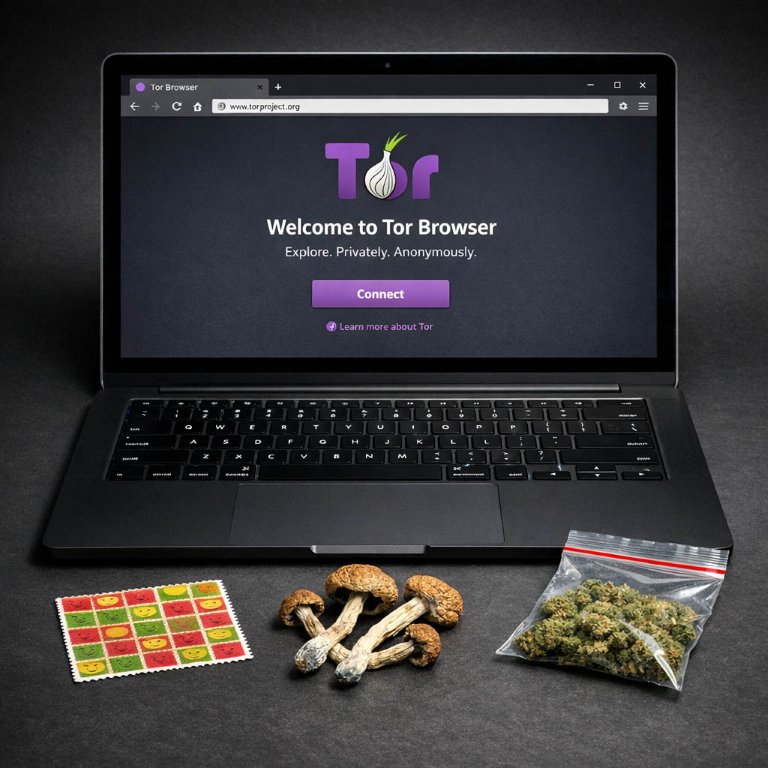
How Darknet Markets Keep Shopping Private and Secure
The operational security of darknet markets relies on a dual-layer technological foundation, combining end-to-end encryption with cryptocurrency transactions. This integration creates a framework for commerce that prioritizes user privacy and transactional discretion by design.
Encryption functions as the primary shield for communication and data. All messages between buyers and vendors are secured using protocols like PGP (Pretty Good Privacy), which ensures that only the intended recipient can decrypt and read the content. This system protects the details of an order, including delivery addresses and specific product inquiries, from interception by any third party. Market listings and user databases are also encrypted, safeguarding personal information even in the unlikely event of a platform breach.
Concurrently, cryptocurrencies such as Bitcoin and Monero facilitate the financial layer of these transactions. They provide a medium of exchange that is pseudonymous by default, separating financial activity from real-world identities. To enhance privacy further, markets employ escrow services and multisignature wallets. These tools hold funds in a neutral account until the buyer confirms satisfactory receipt of the product, which builds trust and ensures vendor accountability without requiring a central, identifiable authority to process payments.
- Encryption protects communication and data integrity.
- Cryptocurrencies enable pseudonymous financial transactions.
- Escrow and multisig systems secure funds and enforce fair exchange.
The synergy of these technologies establishes a self-contained ecosystem. Encryption manages information flow, while cryptocurrency manages value transfer. Together, they automate the core requirements of a secure market: privacy, trust, and finality of exchange. This model demonstrates that complex commercial interactions can be conducted efficiently and discreetly when technological protocols are designed to enforce the terms of trade and protect all participating parties.