Darknet Markets 2026:
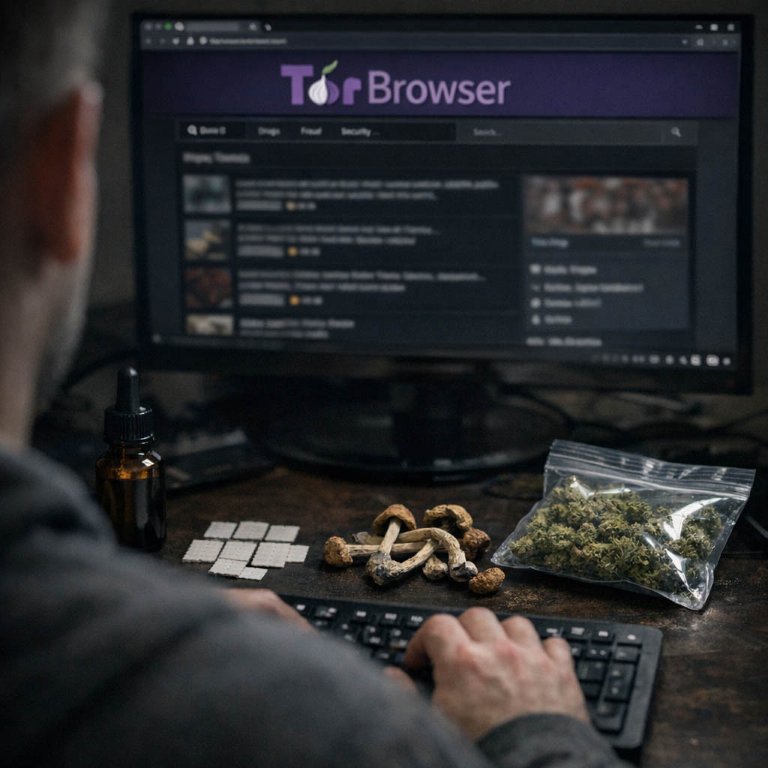
The dark web is part of the deep web but is built on darknets: overlay networks that sit on the internet but which can't be accessed without special tools or software like Tor. Tor is an anonymizing software tool that stands for The Onion Router — you can use the Tor network via Tor Browser.
| Darknet Market | Established | Total Listings | Link |
|---|---|---|---|
| TorZon Market | 2022 | 140+ | Onion Link |
| Nexus Market | 2024 | 600+ | Onion Link |
| Abacus Market | 2022 | 100+ | Onion Link |
| Ares | 2026 | 100+ | Onion Link |
| Cocorico | 2023 | 110+ | Onion Link |
Updated 2026-10-27
How Encryption and Trust Make Darknet Markets Work
The operational security of a darknet drug store is fundamentally built upon encryption. This begins with the use of specialized software, such as the Tor browser, which anonymizes a user's connection by routing it through multiple layers of encrypted relays. This process conceals the user's IP address and the destination of their traffic, making surveillance and tracking exceptionally difficult. The storefront itself exists as a .onion service, accessible only through this network, with its location and server details hidden. This encrypted foundation is not merely a technical feature; it is the essential precondition that allows for the existence of a marketplace where privacy is the default state, enabling all subsequent interactions, from browsing to communication, to occur within a shielded environment.
Within this protected space, the architecture of trust is meticulously constructed. Transactions are conducted using cryptocurrencies like Bitcoin or Monero, which provide a degree of financial privacy separate from traditional banking systems. The payment is typically held in a multisignature escrow system managed by the marketplace software. This means the funds are locked and require two out of three cryptographic keys to be released: one from the buyer, one from the vendor, and one from the marketplace. This mechanism prevents scams by ensuring the vendor is only paid after the buyer confirms receipt of the goods. The system's integrity is further reinforced by a transparent feedback and review system. After a transaction, buyers leave detailed ratings and comments on the product quality, shipping speed, and stealth of packaging. This creates a persistent, publicly-accessible record of a vendor's reliability, allowing the community to collectively vet sellers. A vendor with a long history of positive feedback and high ratings becomes a trusted entity, their reputation acting as their most valuable asset. This combination of technological enforcement through escrow and social enforcement through peer review establishes a self-regulating model for commerce that prioritizes transactional security and accountability.
How Anonymous Transactions Keep Darknet Drug Shopping Private
Anonymous transactions form the operational core of darknet commerce, enabling a level of user privacy unattainable in conventional online or physical markets. This privacy is not incidental but is systematically engineered through a combination of cryptographic tools and specific protocols. The process begins with access via the Tor network, which obfuscates a user's IP address and physical location by routing connection data through multiple encrypted layers. This network-level anonymity is the first critical barrier against surveillance.
Within this protected environment, transactions are conducted using cryptocurrencies like Bitcoin or Monero. While Bitcoin offers pseudonymity, its public ledger can be analyzed. Monero provides stronger guarantees by default, using ring signatures and stealth addresses to obscure transaction amounts and the parties involved. The use of these currencies severs the direct financial link between a user's identity and their purchases, a link that is standard in traditional e-commerce.
The architecture of a typical darknet drug store further compartmentalizes information. Buyers and sellers interact through pseudonymous profiles, with communication often encrypted via PGP. Order details, shipping addresses, and payment finalization are handled separately within the platform's framework, ensuring no single party possesses all identifying data. This compartmentalization mimics secure operational security protocols, distributing risk.
This system of anonymous transactions effectively creates a privacy-preserving market framework. It shifts the basis of trust from institutional identity verification, as used by banks and licensed retailers, to cryptographic verification and community-based reputation. The model demonstrates that complex digital commerce can function by prioritizing user privacy as its foundational principle, facilitating exchanges that would otherwise be exposed to significant legal and social scrutiny.
How Crypto Makes Darnet Drug Shopping Easy and Private
The adoption of cryptocurrency is the fundamental mechanism enabling the darknet drug store ecosystem. It provides a decentralized and pseudonymous payment layer that operates outside traditional financial systems. Transactions are recorded on a public ledger, the blockchain, but the identities of the parties involved are concealed behind cryptographic addresses. This creates a financial environment where commerce can proceed without direct links to real-world identities, aligning with the core privacy demands of users.
Bitcoin was the initial pioneer, but its traceable blockchain prompted a shift towards currencies with enhanced privacy features. Monero and Zcash are now predominant. Monero uses ring signatures and stealth addresses to obscure the sender, receiver, and transaction amount. Zcash offers optional shielding for similar privacy. These features make blockchain analysis, a method used to track funds, significantly less effective, providing a stronger financial privacy guarantee for both buyers and vendors.
The practical process involves a user transferring funds from their personal wallet to a unique deposit address generated by the darknet store's escrow system. This process demonstrates several key advantages:
- It eliminates the need for personal banking details or credit card information.
- It allows for cross-border transactions without fees or delays associated with traditional systems.
- It creates a permanent, verifiable record of payment held in escrow, which is later released upon successful order completion.
This financial model directly supports the growth of user-driven markets by removing institutional intermediaries. The trust is placed not in a bank or payment processor, but in the cryptographic security of the transaction and the community-enforced reputation systems of the marketplace itself. The efficiency and privacy of cryptocurrency payments are therefore not just a feature but the essential infrastructure upon which peer-reviewed digital commerce on the darknet is built.
How Escrow Makes Darknet Drug Trade Safe and Reliable
The escrow system is a fundamental innovation that enables secure transactions on darknet markets. It functions as a neutral third-party service, holding a buyer's cryptocurrency payment in a secure account after an order is placed. The funds are only released to the vendor once the buyer confirms satisfactory receipt of the goods. This mechanism directly addresses the inherent trust deficit in anonymous digital commerce.
For the buyer, escrow provides a powerful safeguard against fraud. It eliminates the risk of sending payment directly to a vendor who might then disappear without shipping the product. The buyer can confidently place an order knowing the payment is secured in escrow and will only be finalized after they have received and verified their purchase. This security is often enhanced by the market's finalize early (FE) status, which is a privilege earned by vendors with long-standing positive feedback, allowing them to receive funds before delivery, a sign of earned trust within the community.
Vendors also benefit from the structured process escrow provides. It guarantees that payment for shipped goods is already secured and cannot be unilaterally reversed by the buyer after delivery, a common problem in traditional unregulated e-commerce. The system formalizes the transaction, ensuring vendors are paid for completed orders. The entire cycle is reinforced by the user review and rating system. A buyer's release of funds from escrow is typically accompanied by a public rating and detailed feedback, which becomes a permanent record of the vendor's reliability and product quality. This creates a transparent, self-regulating ecosystem where financial security and reputational accountability are intrinsically linked, fostering a stable environment for continued trade.
How Ratings and Reviews Make Darknet Drug Buying Safer
The operational security of a darknet drug store is foundational, but the economic security of a transaction is equally critical. This is where vendor ratings and community feedback function as a decentralized trust mechanism, directly addressing the inherent risks of unregulated commerce. Unlike traditional anonymous markets, darknet platforms institutionalize reputation through structured review systems.
Every completed transaction typically allows the buyer to leave detailed feedback. This includes numerical ratings for specific criteria:
- Product quality matching its description
- Stealth and professionalism of packaging
- Shipping speed and reliability
- Quality and clarity of communication
This cumulative data generates a vendor score, a transparent metric of historical performance. A vendor with a high score over hundreds of transactions presents a quantifiably lower risk. The textual feedback provides qualitative context, warning of specific issues or confirming consistent quality. This system creates powerful economic incentives for vendors to maintain high standards, as poor reviews directly impact future sales. The community actively polices this environment; consistent scams or poor performance are rapidly highlighted in forum discussions, leading to vendor bans or buyer avoidance. This transforms a potentially hazardous anonymous transaction into a peer-reviewed exchange, where collective experience guides individual decisions and fosters a stable, self-regulating marketplace.

How Darknet Markets Work Like Peer Review
The darknet operates on a principle of distributed trust, where traditional intermediaries are replaced by community-driven verification. This system mirrors academic peer review, creating a self-regulating marketplace. A buyer's journey begins with identifying a product and a vendor, but the critical step is analyzing the vendor's digital reputation. This reputation is built from hundreds of transactional feedback comments left by previous buyers, detailing product quality, shipping speed, and stealth packaging. These reviews are immutable and tied to a completed sale, making fraudulent feedback economically unviable.
Secure payments are facilitated through cryptocurrency wallets and multisignature escrow. When a purchase is made, funds are held in escrow by the darknet platform itself, not released to the vendor until the buyer confirms satisfactory receipt. This mechanism protects both parties: the buyer from non-shipment, and the vendor from fraudulent chargebacks. The entire process is encrypted, with communication conducted via PGP keys to ensure privacy.
The culmination of this model is a transparent feedback loop. High-rated vendors gain prominence and sales volume, while poor performance is quickly reflected in negative reviews and reduced trust. This creates a stable economic environment where quality and reliability are directly rewarded, demonstrating a functional user-driven commerce system that operates independently of conventional regulation.
How Darknet Markets Build Trust and Safety for Buyers
The expansion of user-driven unregulated markets on the darknet represents a significant shift in digital commerce, moving away from traditional, centrally controlled platforms. This growth is fundamentally powered by community-driven mechanisms that prioritize user autonomy and transactional security. The model thrives on direct peer feedback and sophisticated technological frameworks that collectively reduce the risks traditionally associated with unregulated trade.
At the core of this ecosystem are vendor rating systems and detailed community feedback, which create a transparent reputation framework. Buyers meticulously document their experiences, commenting on product quality, shipping discretion, and communication. This creates a self-policing environment where high standards are maintained organically; vendors with consistently positive reviews gain prominence, while those with poor feedback are marginalized. This continuous peer review process establishes a form of quality assurance that is both dynamic and directly accountable to the user base.
Financial interactions are secured through the mandatory use of cryptocurrency and escrow services. Payments are held in escrow by the marketplace software until the buyer confirms satisfactory receipt of the goods. This system effectively neutralizes the threat of fraud by either party, ensuring that vendors are paid for delivered products and buyers are protected against non-shipment. The integration of end-to-end encryption for all communications further safeguards the privacy of both parties, making the transaction opaque to external observers.
The resulting environment is a robust framework for commerce that operates on principles of cryptographic security and crowdsourced trust. It demonstrates how decentralized networks can facilitate complex trade with remarkable reliability. The market evolves through direct user input, with review systems and escrow protocols forming a more effective foundation for safe and private transactions than many conventional retail models, fulfilling a specific demand for discreet, consumer-driven exchange.